School security is not a single program, regulation, or gadget. It is a society, developed day after day, that teaches trainees just how to respond when regular breaks. A properly designed first aid course woven into the academic year offers young people useful skills, tranquility under pressure, and a sense of firm. When a trainee identifies the indicators of a bronchial asthma attack on the play ground, or a schoolmate passes out throughout assembly, the appropriate action in the very first 3 minutes frequently identifies the result. The distinction between panic and purposeful action is training.
I have assisted colleges roll out first aid training throughout year levels, from short workshops in Year 5 to recognized CPR courses for older teenagers. The schools that see lasting influence treat first aid as a skillset and an attitude. They make use of age-appropriate scenarios, freshen skills regularly, and connect the finding out back to the areas where events happen most, like sporting activities fields, scientific research labs, stairwells, kitchens, and car parks throughout pickup. The rest of this piece distills those lessons into what to educate, just how to instruct it, and exactly how to maintain it without overwhelming staff or budgets.
What pupils really face on campus
The saying is a theoretical calamity. Actual school cases are average and constant. Over a regular year in a big senior high school, you will see small cuts, strains, nosebleeds, moderate allergies, fainting, warmth tension on warm days, and occasional head knocks during sport. Main schools include playground drops and choking on little treats. Uncommon yet high-stakes occasions consist of serious bronchial follow this link asthma assaults, anaphylaxis, seizures, and unexpected heart attack. The numbers differ by region and environment, yet patterns are consistent: 1 or 2 serious incidents per term, loads of minor injuries, and many minutes where early support avoids escalation.
A student-focused first aid course need to mirror this profile. Show the fundamentals that relate to whatever: assessing danger, calling for help, and providing basic treatment without making injuries worse. After that lean into high-frequency scenarios and the few time-critical ones where minutes matter, such as CPR, choking, and anaphylaxis.
Building a curriculum that fits the college week
The most effective programs begin modestly and increase. As opposed to a one-off occasion, plan a staged method that matches cognitive development and convenience levels. For many years 3 to 6, develop short, hands-on sessions that stress remaining risk-free, seeking adult aid, and simple first aid like cleaning a scrape. For early second, introduce organized steps and decision-making. For elderly students, consist of accredited first aid and CPR training that can bring about a first aid certificate identified beyond school.
A practical model mixes 3 components. Initially, an annual core session for each and every year degree that covers the essentials and a couple of age-appropriate scenarios. Second, combination factors across the educational program, like practicing recuperation setting in health and wellness class or computing compression rates in a mathematics exercise as an interest hook. Third, expansion possibilities, such as a first aid club, peer support groups at sports events, or a cpr correspondence course for student leaders midyear.
Age-appropriate content by stage
Students remember what they finish with their hands greater than what they listen to. Each phase needs to offer simple steps, practice on equipment or peers, and reflection on when not to intervene.
Early main: focus on security guidelines, staying calmness, and calling for assistance. Provide language: "Examine if it is risk-free, obtain a grown-up, call 000 or 911." They can discover to stop hemorrhaging with stress using a clean towel, to sit a dizzy close friend down, and to tell a grown-up if someone is having problem breathing. At this age, you do not educate CPR compressions at depth, yet you can present the rhythm using a soft plaything and a metronome established near 100 to 120 beats per minute.
Upper primary: include choking feedback for self and others, simple nosebleed care, fundamental wound cleansing, and just how to talk with emergency dispatch with clear location information. Role-play assists, as an example, exercising just how to direct a rescue sideways gate near the gym.
Lower secondary: teach organized evaluation with the DRSABC or comparable sequence, using ordinary language and repetition till it is automated. This is where you present functional CPR training with full-sized manikins, AED understanding, acknowledgment of bronchial asthma and anaphylaxis, and the healing placement. Include components appropriate to science laboratories and sports. Students should exercise calling a rescue, placing an AED, and supplying compressions for two mins while a partner counts aloud.
Upper additional: cover a full first aid and cpr course that fulfills national criteria, consisting of CPR, choking, bleeding control, shock, cracks, sprains, back preventative measures, seizures, diabetes-related emergencies, heat stress, and ecological Mandurah first aid injuries. If the jurisdiction enables, students can complete a certified first aid course and receive a first aid certificate that stays valid for a defined period. For those in leadership duties like residence captains or sports captains, use a cpr correspondence course each year.
Choosing a supplier without the marketing fog
The market for first aid courses is crowded. A couple of inquiries punctured the sound. Ask whether the educational program lines up with your nation's resuscitation council guidelines and whether their cpr training uses feedback-equipped manikins that determine depth, rate, and recoil. For anaphylaxis and asthma, look for circumstance training with fitness instructor adrenaline auto-injectors and spacer devices. If they guarantee certification, verify the providing body and the currency of the qualification.
https://manuelipxk398.lucialpiazzale.com/short-vs-extended-first-aid-courses-making-the-best-choiceExperienced providers will certainly adjust web content to your occurrence profile and facilities. If your school runs outdoor education, they can include heat health problem and snakebite protocols pertinent to your area. If you have a huge music or drama program, they can simulate handling a passing out episode backstage where illumination and crowd flow are variables. In my experience, fitness instructors that have operated in institutions bring different energy: they manage rooms of young adults, balance rigor and peace of mind, and keep instances based without scaring students.
Some schools like a combined version: bring in first aid pro instructors for the core CPR course and accreditation, after that have staff provide shorter refresher courses using the provider's products. This conserves cost and constructs inner capacity.
Integrating CPR and AED utilize without fear
Cardiac apprehension in school-age youngsters is unusual, but it happens, regularly in teens and typically linked to undiagnosed conditions or physical effort. The objective is not to scare students, but to stabilize definitive action. A good cpr course strips it down. Check feedback, telephone call for help, begin compressions hard and fast, send out someone for the AED. Pupils method changing roles every two mins to minimize fatigue. In colleges with an AED, include a stroll to the device, opening up the cupboard alarm, activating the device, and following the voice prompts on a fitness instructor device. That easy experience decreases reluctance if ever before needed.

Schools in some cases bother with obligation. Most regions have Do-gooder protections, and AEDs are created to shock just when shown. Stress that doing something is usually far better than doing nothing, which compressions and defibrillation in the initial minutes can increase or triple survival. When the law or policy permits, make AED locations noticeable on campus maps and instruct trainee workplace assistants and sporting activities captains to obtain the gadget quickly.
Making practice actual with scenarios
The greatest change in trainee confidence comes not from slides, but from scenarios that feel like school. Usage places and times they identify: a lunchtime football game, a Year 10 chemistry useful, a bus line in the rainfall. Run short, revolving stations, 3 to 5 mins each, with clear goals. One terminal might be a nosebleed in a hallway. Another may be a rolled ankle on the staircases. One more, an asthma flare throughout cross-country training. Keep the debriefs crisp: what worked out, what would you do differently, that else ought to be informed.
In elderly years, include intricacy. Combine crowd administration with treatment, like helping a fainted trainee in a confined setting up aisle. Or exercise triaging two events, a strain and a head knock, deciding who requires urgent focus and who can wait. Students discover teamwork naturally: one telephone calls, one conveniences, one gets materials, one jots down details.
Equipment, areas, and the tiny details that matter
Training experiences when students can not obtain their hands on gear. For a year group of 150, go for at least one grown-up manikin per 8 to 10 pupils throughout cpr training. Responses gadgets deserve the leasing: pupils see thumbs-ups when they hit depth and preserve rate, and their position enhances within a session. Have one AED fitness instructor per 15 to 20 pupils. For anaphylaxis method, bring at least 2 fitness instructor auto-injectors per team so everyone cycles via the muscular tissue memory of removing the cap, pressing firmly, and counting.
On school, map and tag first aid packages, AEDs, and spare inhalers if plan allows. Put packages where injuries occur: health club, oval, technology area, science labs, kitchen area areas, and primary workplace. Supply them for the most likely events: saline, handwear covers, triangular plasters, adhesive dressings, instant cold packs, and stress bandages for snakebite if pertinent. Refresh materials every term and after major events.
The other little detail is time. Schedule spaces with enough room to kneel beside manikins, and stay clear of carpeting that will increase rubbing on knees during two-minute cycles. Location water and air flow near method zones, considering that compressions get perspiring quickly. Stagger sessions to avoid crowding outdoors rooms when a class transition happens.
Teacher duties, training, and plan alignment
Teachers do not require to end up being paramedics, yet they do need confidence in their function. Run a staff-first session prior to the trainee rollout. It soothes nerves, aligns language, and exposes logistical issues. Provide a quick-reference card or application link with the college's emergency procedures and local rescue number, and settle on radio or phone networks. When team supervise student practice, short them on observing technique without shaming. Pupils will press too soft, lean on the chest, or neglect to allow it recoil. Gentle improvement and repetition repair most mistakes in 10 minutes.
Match the trainee program to your policies on medication, head injury, and go back to play. If a trainee hits their head, that calls home, that documents the observation, and what is the default rest period? If an EpiPen is used, what is the handover protocol when paramedics show up? Compose it down in plain language that students and personnel share. The most effective programs enhance the concept that help intensifies: peer assistance for first aid, team management for choices, and scientific care past that.
Working with parents and the broader community
Parents support programs they recognize. A brief note home prior to training assists: what students will find out, that they may practice compressions on a manikin, which no graphic web content is made use of. Offer a night demo yearly for family members. Invite your carrier to run a compact session, show the AED location, and answer inquiries about allergic reactions, bronchial asthma, and sports security. The tone ought to be practical and calm.
Leverage local knowledge. Some schools welcome a neighborhood nurse, an ambulance officer, or a sporting activities instructor to join the session on warmth stress ahead of summertime carnivals. If your area has a browse life saving club or similar, collaborate for water safety and security components that get in touch with first aid and cpr.
Measuring impact without drowning in data
You do not need a thesis to recognize if training jobs. Track a couple of indications each term. Note time to first aid action in substitute drills and at real occasions. Tape-record the variety of pupils taking part in cpr courses and first aid courses, and the amount of complete a first aid certificate. Survey self-reported self-confidence with a five-point range prior to and after sessions. Look for patterns in case records: less accelerations, far better descriptions of occasions, quicker activation of emergency situation services when warranted.
One institution I collaborated with saw a decrease in sports-day rescue transportations over two years, not because injuries vanished, however because early cooling, hydration, and much better triage reduced the number that needed urgent treatment. An additional taped faster reaction to anaphylaxis incidents after every trainee exercised the auto-injector series and knew where spares were kept.
Handling sensitive scenarios and edge cases
A pupil who recently shed a family member to a cardiac event could find CPR method challenging. Provide opt-in pathways. Allow pupils step out, observe, or return when all set. Deal a silent edge for those that need a break. Similarly, take into consideration cultural level of sensitivities when exercising touch-based techniques. Clear communication and opt-out alternatives preserve regard without thinning down the training.
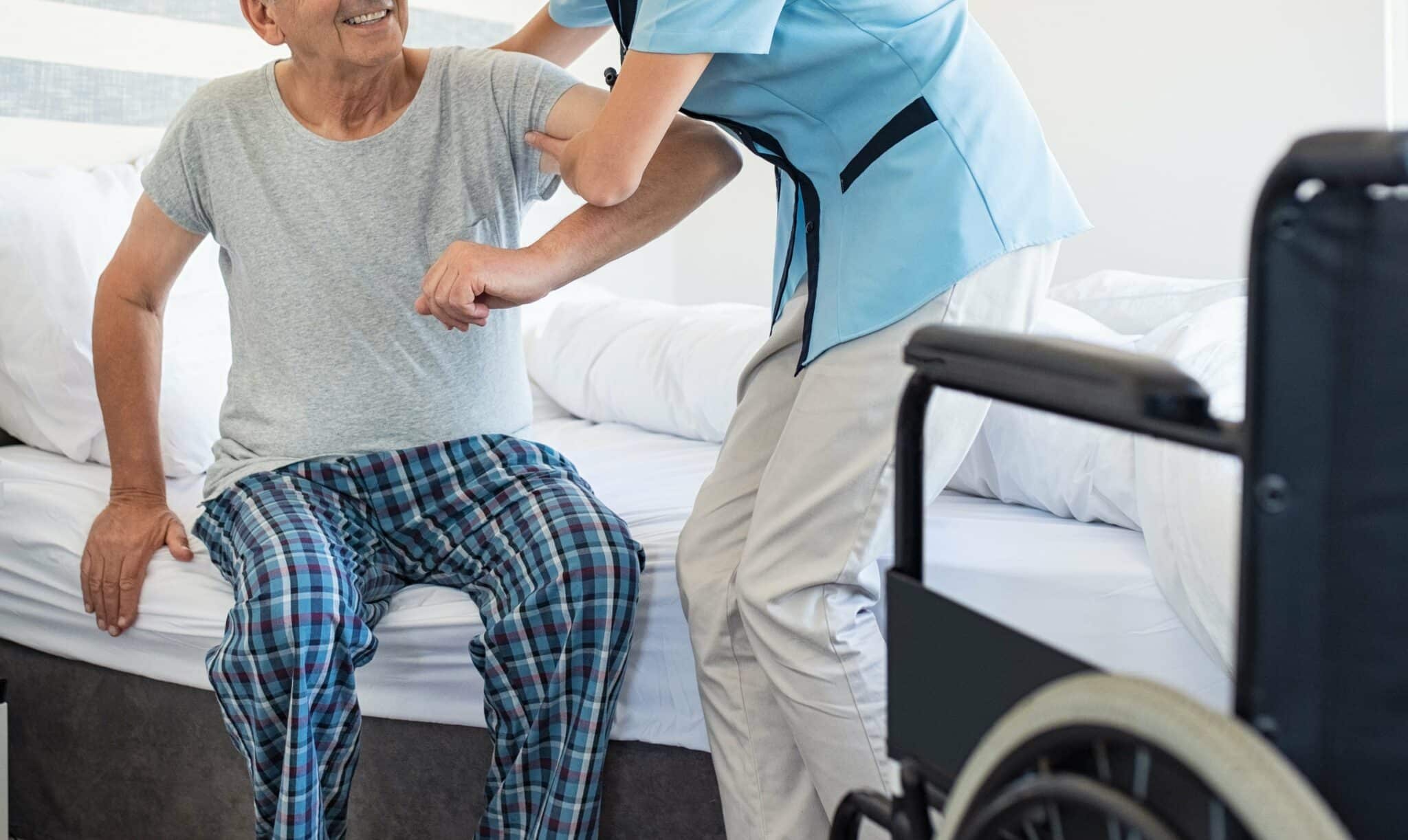
Students with handicaps need to be included with thoughtful adaptation. A trainee that uses a wheelchair can still lead the scene assessment, phone call for aid, and instructor a partner on compressions. For pupils with minimal hand toughness, they can exercise AED steps and scene management. Inclusion constructs an extra realistic team dynamic.
Refreshers, retention, and what fades first
Skills degeneration quickly without method. Compressions lose deepness, actions blur, and self-confidence decreases. Plan light-touch refreshers. The simplest approach is a five-minute CPR terminal in class as soon as a term. Turn a manikin via classrooms with a brief obstacle: 2 minutes of compressions at the right price with feedback lights. For several years 12 students that finished a cpr course earlier in the year, run a cpr refresher course before exams when routines get irregular. For anaphylaxis and asthma, a five-minute hands-on wrap-up with fitness instructors and spacers as soon as a term maintains the technique fresh.
Memory research studies show that series recall rots prior to motor skill. Students might keep in mind exactly how a compression really feels, but fail to remember the order of checks. Visuals help. Place a basic DRSABC poster in fitness center adjustment rooms and labs. Maintain it uncluttered: examine security, check feedback, phone call, open respiratory tract, check breathing, begin compressions.
Cost, organizing, and making the numbers work
Budgets differ. A full-year rollout across a 1,000-student senior high school using external fitness instructors for all sessions can extend sources. Hybrid designs keep expenses reasonable. Generate a service provider for crucial year degrees where qualification matters, usually Years 10 to 12. Train a tiny group of team as facilitators to provide fundamental first aid training to junior years with provider-approved material. Share tools with bordering institutions or employ for a focused week instead of occasional days. Cluster sessions by residence or group to reduce setup time.
Scheduling works finest in blocks. A "Security Week" method enables devices to remain in one area and fitness instructors to fine-tune flow. Link it to sports preseason or just before summertime. If block organizing is difficult, align sessions with health and wellness courses and dual periods to avoid cutting technique short.
Legal and honest clearness pupils can understand
Students usually ask, what happens if I do it incorrect? Educate the concept of practical treatment: act within your training, do not take unneeded risks, and look for aid. Enhance approval. If a conscious individual rejects assistance, regard it and obtain an adult. For unconscious clients, indicated authorization uses. Stress and anxiety personal privacy and self-respect: cover the pupil preferably, take care of sightseers, and prevent sharing pictures or information on social media sites. A thirty-second talk on limits does even more to build maturity than a dense policy handout.
Linking first aid to wider wellbeing
First help is not just regarding emergencies. It is a language of treatment that fits into a bigger wellness program. Instructing pupils to acknowledge very early indications of warmth stress or to ask a good friend if they really feel pale supports a culture where looking out for every various other is normal. Tie this to psychological health and wellness first aid concepts at elderly degrees. While medical care varies, the posture is similar: notice, ask, assistance, rise. Students who practice tranquil reactions in physical emergencies commonly bring that calmness right into other strained moments.
What great resemble after a year
When a program works, you feel it in tiny methods. Trainees know that to call and where to go. Educators listen to clear, concise records over radios: "Playground near the oak tree, believed sprain, pupil is seated, ice pack used." Sports captains get hold of the set without triggering. In a scientific research lab, a spill gets managed and documented quickly. After a peer faints in assembly, 2 trainees delicately guide a path, one kneels to check breathing, another person fetches the AED simply in situation, then they all go back when staff show up. Later, they debrief for two mins and go back to class.
The institution also holds its own. First aid certifications are tracked, cpr training logs are present, and brand-new staff obtain an instruction in week one. Parents know the college's strategy and the place of crucial tools. The AED closet alarm system no more startles, it assures. None of this assurances similarity in every emergency, however it develops predictability in the initial action, which is where safety and security lives.
Practical steps to begin this term
- Map your events from the previous 2 years and choose the top five scenarios to anchor training. Select a carrier for senior cpr courses and first aid courses, validate positioning with current guidelines, and lock dates. Train a nucleus of personnel to assist in younger sessions and run brief refreshers, and established a shared calendar. Purchase or work with sufficient manikins and an AED trainer, and supply first aid sets where cases cluster. Communicate with parents and pupils, consisting of opt-out alternatives for sensitive web content and clear language regarding goals.
A note on language and consistency
If your school uses a particular sequence like DRSABC or taxicab, persevere across all products. Align terms for the same things: auto-injector vs EpiPen, spacer vs chamber, recuperation setting vs side setting. Pupils address rhythm and wording. Regular language enhances rate and minimizes uncertainty in tense moments.
Bringing everything together
Implementing first aid and cpr courses in institutions is not a checkbox conformity exercise. It is a promise that adults and students will certainly fulfill hard minutes with skill and steadiness. Pick web content that mirrors your facts. Instruct it with hands, not just words. Freshen it prior to it fades. And weave it into the everyday life of the institution to ensure that when a schoolmate chokes on a grape, or an asthma assault strikes after a sprint, action unfolds virtually automatically.
The prices are small contrasted to the stakes. A day of professional first aid training for senior pupils, a collection of manikins with responses, a schedule of refresher courses, and a staff who design calm. The return is a school where trainees move from spectators to assistants, where confidence expands quietly, and where the first mins of an emergency, the ones that matter most, come from individuals prepared to make use of them.
